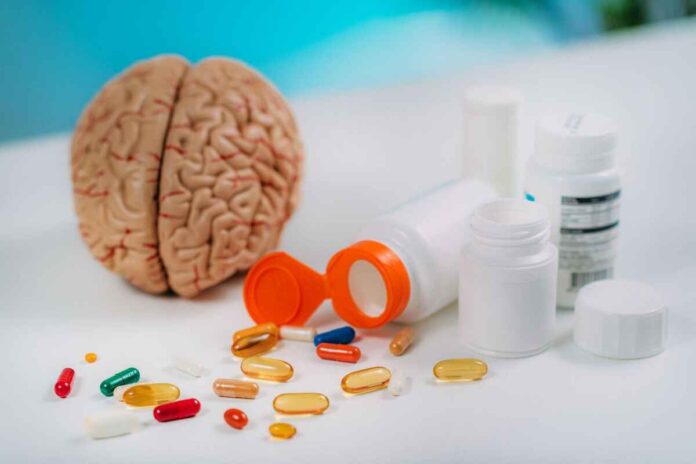
In a surprising turn of events, new scientific research in 2026 is challenging one of the most widely accepted beliefs in health and wellness: that dietary supplements automatically benefit brain health. While millions of people around the world rely on supplements like fish oil, vitamins, and amino acids to boost cognitive function, emerging studies now suggest that some of these products may actually have unintended and even harmful effects on the brain.
One of the most talked-about findings comes from a recent study examining omega-3 supplements, particularly fish oil. Long promoted as a brain-boosting nutrient, fish oil is rich in fatty acids like EPA and DHA, which are often associated with improved cognitive function and reduced inflammation. However, new research indicates that this assumption may not always hold true. Scientists found that one component of fish oil, known as EPA, could actually interfere with the brain’s ability to heal after repeated mild injuries.
In experimental models, higher levels of EPA were linked to reduced recovery and impaired brain repair mechanisms, raising concerns about the long-term effects of excessive or unsupervised supplementation. This doesn’t mean fish oil is universally harmful, but it highlights a crucial point: the impact of supplements can vary depending on individual health conditions and biological context. What works for one person may not work for another.
Adding to this growing concern, another large-scale study has linked certain commonly used supplements to broader health risks. Researchers analyzing data from over 270,000 individuals found that higher levels of tyrosine—an amino acid often marketed for improving focus and mental performance—were associated with a shorter lifespan in men. While the exact mechanism is still unclear, the findings suggest that even nutrients considered beneficial may have complex and potentially negative effects when consumed in high amounts.
Beyond individual supplements, experts are increasingly warning about the dangers of combining multiple supplements without proper guidance. Some combinations can disrupt the body’s balance and negatively affect brain function. For example, certain supplement “stacks” may increase the risk of brain-related complications such as memory loss, accelerated aging, or even neurological stress due to imbalanced nutrient absorption.
Another important insight emerging from recent research is that overall diet plays a far more significant role in brain health than isolated supplements. Studies show that long-term dietary patterns—such as consuming whole foods, healthy fats, and plant-based nutrients—are more reliable predictors of cognitive health than taking individual vitamins or pills. This suggests that supplements should not be seen as a shortcut to better brain function but rather as a targeted tool used only when necessary.
Medical experts are also urging caution due to the lack of strong evidence supporting many brain-boosting supplements. Despite aggressive marketing and growing popularity on social media, there is still no conclusive proof that over-the-counter supplements can prevent or treat cognitive decline in healthy individuals. In fact, some researchers argue that relying too heavily on supplements may distract people from adopting healthier lifestyle habits that are proven to support brain health.
The rise of supplement culture has been fueled in part by influencer marketing and easy access to products that promise quick results. However, the latest findings highlight a more complex reality. Supplements are not inherently good or bad—they are powerful tools that can have different effects depending on dosage, combination, and individual biology.
In conclusion, the idea that supplements are always beneficial for brain health is being seriously reconsidered in light of new research. While certain nutrients can play an important role in maintaining cognitive function, their effects are far from universal and can sometimes be counterproductive. As science continues to uncover the nuanced relationship between supplements and brain health, one message is becoming increasingly clear: a balanced diet, informed choices, and medical guidance remain the safest and most effective approach to protecting the brain.