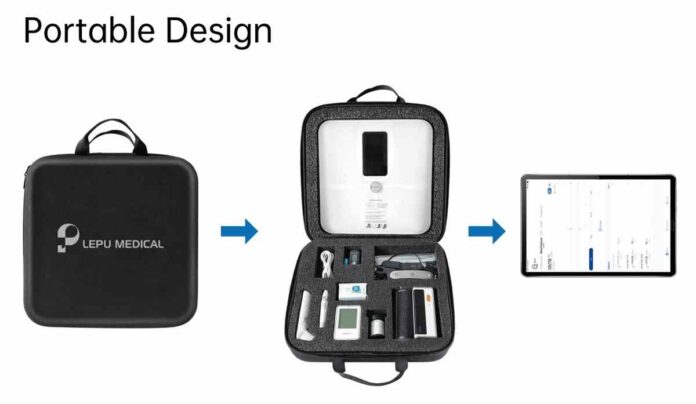
A quiet revolution is reshaping global healthcare as “clinic-in-a-box” solutions emerge as one of the most impactful innovations of the decade. Designed to deliver medical care anywhere, these compact, technology-powered systems are bridging the gap between patients and healthcare providers, especially in underserved and remote regions.
The concept is simple but powerful. A clinic-in-a-box is essentially a portable healthcare unit equipped with diagnostic tools, telemedicine capabilities, and sometimes even AI-powered assistance. These systems can be deployed in villages, disaster zones, or urban neighborhoods where access to hospitals is limited. What makes them transformative is their ability to provide real-time consultations, diagnostics, and follow-up care without requiring patients to travel long distances.
Recent developments highlight how quickly this model is gaining traction worldwide. In India, a smart digital clinic launched in rural Uttar Pradesh is already demonstrating how technology can make healthcare both affordable and accessible. Patients can consult doctors through video calls for minimal fees, reducing travel time and costs while improving access to specialists. This kind of setup closely resembles the clinic-in-a-box model, where a small, tech-enabled space delivers comprehensive healthcare services.
Globally, healthcare systems are also moving toward remote-first care. The UK’s National Health Service is preparing to roll out a fully virtual “online hospital,” allowing patients to receive treatment from home using apps, video consultations, and monitoring devices. This shift shows how healthcare is evolving beyond traditional hospital walls, aligning perfectly with the philosophy behind portable clinic solutions.
At the heart of these systems is a combination of hardware and software innovation. A typical clinic-in-a-box may include devices for measuring vital signs such as blood pressure, oxygen levels, and heart rate. More advanced versions can perform ECGs, basic blood tests, and even imaging. These devices are connected to cloud-based platforms, enabling doctors located anywhere in the world to analyze patient data and provide accurate diagnoses.
Artificial intelligence is also playing a growing role in enhancing these systems. New platforms are being developed where AI can assist in initial screenings, recommend treatments, and even handle routine prescriptions under supervision. This not only reduces the workload on doctors but also ensures faster response times for patients.
One of the biggest advantages of clinic-in-a-box solutions is their scalability. Governments, NGOs, and private companies can deploy these units quickly in response to healthcare shortages or emergencies. In regions affected by natural disasters or conflict, these portable clinics can serve as immediate healthcare hubs, providing critical support when traditional infrastructure is unavailable.
The economic impact is equally significant. By reducing the need for large hospital infrastructure, these systems lower healthcare delivery costs. They also minimize indirect expenses for patients, such as travel, lost wages, and accommodation. This makes healthcare more inclusive, especially for low-income populations.
However, the rise of clinic-in-a-box solutions also comes with challenges. Ensuring reliable internet connectivity is crucial for telemedicine to function effectively. Data privacy and security are also major concerns, as sensitive patient information is transmitted digitally. Additionally, there is a need for proper training so that local operators can manage the equipment and assist patients during consultations.
Despite these hurdles, the momentum behind this innovation continues to grow. Startups and healthcare organizations are investing heavily in developing more advanced, user-friendly systems. Governments are also recognizing the potential of these solutions to address long-standing gaps in healthcare access.
What makes this trend particularly exciting is its potential to redefine how people experience healthcare. Instead of traveling to hospitals, patients can receive care closer to home, often within their own communities. This shift not only improves convenience but also encourages early diagnosis and preventive care, which are critical for better health outcomes.
As technology continues to evolve, clinic-in-a-box solutions are likely to become even more sophisticated. Integration with wearable devices, real-time health monitoring, and predictive analytics could further enhance their capabilities, making healthcare more proactive and personalized.
In the end, the rise of remote clinic solutions represents more than just a technological advancement. It is a fundamental shift in how healthcare is delivered, making it more accessible, efficient, and patient-centered. From rural villages to modern cities, the clinic of the future may no longer be a building, but a compact, connected system that brings care directly to those who need it most.