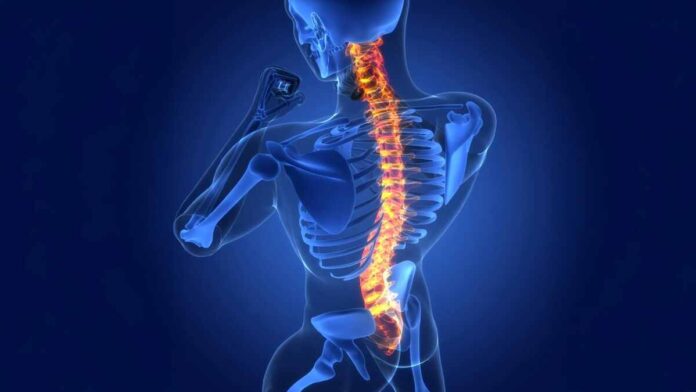
Scientists are uncovering previously unknown mechanisms in the nervous system that could dramatically improve how spinal cord injuries are treated — a development that may one day help millions of people recover movement and neurological function previously thought permanently lost. Recent discoveries show that special brain support cells known as astrocytes play a far more active role in repair after spinal injury than ever recognized, sending signals and coordinating healing processes that extend well beyond the actual injury site.
Traditionally, the central nervous system — which includes the brain and spinal cord — has been seen as having extremely limited ability to regenerate after serious damage. Spinal cord injuries often lead to irreversible paralysis because nerve cells don’t naturally regrow across injury sites and scar tissue blocks repair. But a new study from researchers at Cedars-Sinai Medical Center in the United States reveals a surprising “repair system” triggered by subtle cellular responses that had previously gone unnoticed.
These lesion-remote astrocytes, located far from the direct wound in the spinal cord, spring into action shortly after a traumatic injury occurs. Rather than merely supporting neurons passively as once believed, they begin producing a protein signal called CCN1 that mobilizes the immune system to efficiently clear away fatty nerve debris and other inhibitory materials that typically prevent nerve regrowth. By reprogramming immune activity around the injury, these cells help create a more favorable environment for repair — a finding that challenges long-held assumptions about CNS healing.
This discovery — published in the journal Nature — could open new avenues in the development of therapies for conditions involving nerve damage, including spinal cord injury, stroke, and neurodegenerative diseases such as multiple sclerosis. Scientists say understanding how cells coordinate long-range repair could help design interventions that mimic or enhance the body’s own healing programs.
Adding to this excitement, other recent lab breakthroughs have shown scientists can grow tiny “organoids” of human spinal cord tissue in the laboratory that mimic real injury conditions. When researchers intentionally injured these mini-spinal cords, they observed the basic injury processes — including cell death and scarring — and were able to test treatments that promoted tissue repair and neuronal regrowth. This model gives scientists a powerful new tool to study spinal injury and screen potential therapies without relying solely on animal models.
Beyond astrocyte signaling and organoid models, other research groups have identified ways to activate specific spinal stem and support cells, such as ependymal cells that reside within the spinal cord, to aid in recovery. Some investigations have found that chemical signals released after trauma can switch on these dormant cells, which then help coordinate local healing responses.
Separately, experimental drugs like thiorphan — previously tested in unrelated human studies — have shown promise in lab settings for stimulating neurite outgrowth in human brain cell cultures. Neurites are the projecting extensions of nerve cells necessary for forming connections, and encouraging their growth is a critical step toward regenerating nervous tissue after injury. Studies in animal models found that thiorphan improved motor function after spinal injury, hinting at therapeutic potential in humans.
While all of these findings are still early — with most research happening in laboratory settings or animal models — they collectively signal a major shift in how scientists view spinal cord repair. By identifying biological pathways and cell types that naturally support regeneration, researchers are moving closer to treatments that could promote recovery of movement and sensation in patients once deemed permanently paralyzed.
Experts caution that translating these discoveries into widely available medical therapies will require extensive clinical testing to ensure safety and effectiveness, but the pace of innovation is encouraging. For many patients living with the lifelong impacts of spinal injury, these breakthroughs offer a hopeful glimpse into a future where the nervous system’s own repair mechanisms can be harnessed therapeutically — potentially changing the landscape of treatment for neurological trauma and disease.