
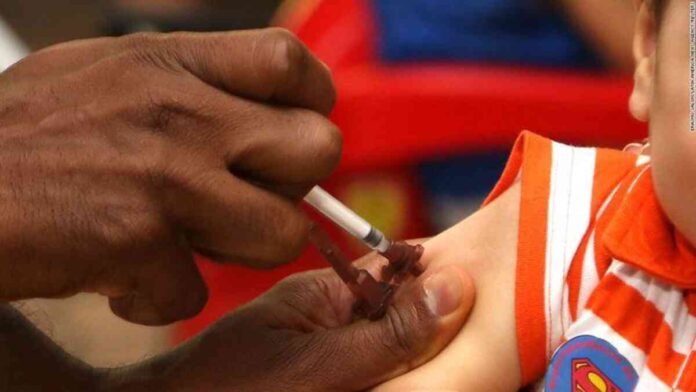
The global struggle for the complete eradication of polio from our world has now come to an important point where a new “Plan B” idea, alongside the current methods of getting rid of the disease, is being floated around by public health professionals. If you take a glance at the past where the polio vaccine efforts have been rolled out worldwide, the number of polio cases has gone down by more than 99 percent since eradication was started as a global effort. Now, you can see in many countries that they have practically gotten over the worst polio period. But there are still outbreaks here and there and new health problems that have changed the picture slightly. That is why we, as the public health community, have gone deeper into reviewing long-term polio elimination methods after this phase.
Polio is a disease that spreads very quickly and mainly affects young children. A while ago, polio left many children with disabilities that affected both their legs and feet. Owing to the well-organized international vaccination drives, one of the greatest modern public health achievements is that the number of polio cases has been reduced by over 99 percent.
Though this impressive victory, finishing polio off has not come quite as easily as people thought at first. Transmission still exists in a few areas, conflict disrupts the work, there are problems with vaccine delivery, people get displaced from their homes due to war or other reasons, there is also false or misleading public messages about vaccine safety that has become an issue. These factors have contributed Much to dragging out the completion period of the eradication phase. Currently, the health community is thinking of alternative methods that would not replace existing vaccination programs and would rather strengthen them. The plan, sometimes called “Plan B” refers to these: a more efficient system for finding cases, engaging more communities, giving out the latest vaccines where needed most, and having a more effective outbreak response mechanism to tackle the remaining difficulties.
Of course, vaccination is still the key strategy to stopping the spread of polio on the global level. Both of the two available vaccines have played a huge role in getting rid of the disease and at the same time, have protected so many children. As the opinion of experts, any plans next will be heavily dependent on the maintenance of high immunization rates combined with a flexible approach that adapts well to individual regions. Sometimes, when there aren’t any reported cases of an illness for quite a long time in different countries, it is not safe to get complacent and assume that the disease has been completely stopped. So, public health surveillance and other means are important Mostly for such diseases as polio. Besides looking at the number of affected people, one way of determining the spread of a disease is detecting the virus in the water supply through wastewater surveillance methods. When the virus is spotted early, then it gives public health teams a chance to act quickly by doing a few more immunization campaigns to stop the disease from getting worse.
Getting active participation from community members is one of the biggest themes underpolio eradiction efforts these days. For example, people who work directly with the healthcare systems in localities such as educators, religious leaders who carry great influence, community organizations, etc. are very likely to help in getting a good response from the people in the area to accept vaccination. That’s why it’s important for a plan to be flexible and have different messages and communication styles given the group that you are trying to reach. Research in improving vaccine production is one area that has made the eradication programme stronger. In the long-term, scientists aim to release vaccines that will be both safe and effective to the general population and at the same time minimizing rare occurrences of vaccine-related complications. These kinds of developments ensure a stable and strong immunization policy on a global scale.
Closer collaboration amongst nations is a factor that is key in accomplishing the eradication of polio. As we all know, from time to time, various parties like Governments (local ones), research centers NGOs public health agencies among others are still joining hands to coordinate the work in the fields of financing the programme, supplying the vaccines, keeping tabs on the health situation for disease outbreaks as well as responding to outbreaks on the national and international levels at the same time. In areas of conflict as well as places difficult to access due to isolation or harsh environment, the challenges are quite big for the implementation of a vaccination campaign. Lack of health facilities on the ground, unsafe circumstances due to the threat of violence, lack of good infrastructure, etc. are all reasons that may cause delays in setting up a vaccination program. Because of this, both making the planning flexible and building good working relationships with the locals would be two main factors in helping the program succeed to the highest level.
Also, public health specialists are very aware of Truth is the main health of a child is ensured by the continuous use of standard vaccines. So, the investment in the development of vaccines, immunization systems, laboratory and trained staff made with the hope of eradicating polio are a kind of bonus when it comes to responding quickly to the outbreak of other contagious diseases as well.

